
Palazzo Barberini Guide: Tickets, Prices & Highlights
1.5 - 2 h
Palace & Painting Gallery
Built 1625-1633 for the Barberini family
Via delle Quattro Fontane, 13, 00184 Roma, Italy
Planning to visit Palazzo Barberini?
Compare ticket and city-pass options for this attraction.
Practical Visitor Info & Tips
€15.00
€2.00
10:00 - 19:00, Tuesday-Sunday
Not mandatory for standard admission.
| Year-round | Tuesday - Sunday | 10:00 - 19:00 | Last Admission: 18:00 (ticket office closing) |
Closed On: Mondays
Free Admission Dates: First Sunday of every month
A single ticket valid 20 days covering both Palazzo Barberini and Galleria Corsini — the two sites of the Gallerie Nazionali Barberini Corsini (Galleria Nazionale d'Arte Antica).
| Option | Price | Reservation | Booking |
|---|---|---|---|
| Adult (valid 20 days, incl. Galleria Corsini) | €15.00 | Not required | barberinicorsini.org |
| Reduced (EU 18-25) | €2.00 | Not required | barberinicorsini.org |
| First Sunday of the month | Free | Not required | barberinicorsini.org |
Book tours & tickets
SponsoredProvided by our commercial partner GetYourGuide — bookings made through this section may earn LocalExperiences a commission. See our Editorial Transparency page.
Ticket Options
€15.00
Check whether a city pass already covers this attraction before buying separately.
See pass compatibility below ↓Overview & Visitor Introduction
Palazzo Barberini is a 17th-century palace built for the family of Pope Urban VIII, with contributions from three of the era's leading architects — Carlo Maderno, Gian Lorenzo Bernini, and Francesco Borromini. It now houses the Galleria Nazionale d'Arte Antica, Rome's main collection of pre-19th-century paintings.
Standard admission is EUR 15.00 (EUR 2.00 reduced for EU citizens aged 18-25), with free entry on the first Sunday of each month. A single ticket, valid for 20 days, covers both Palazzo Barberini and its sister site, Galleria Corsini, across the river in Trastevere.
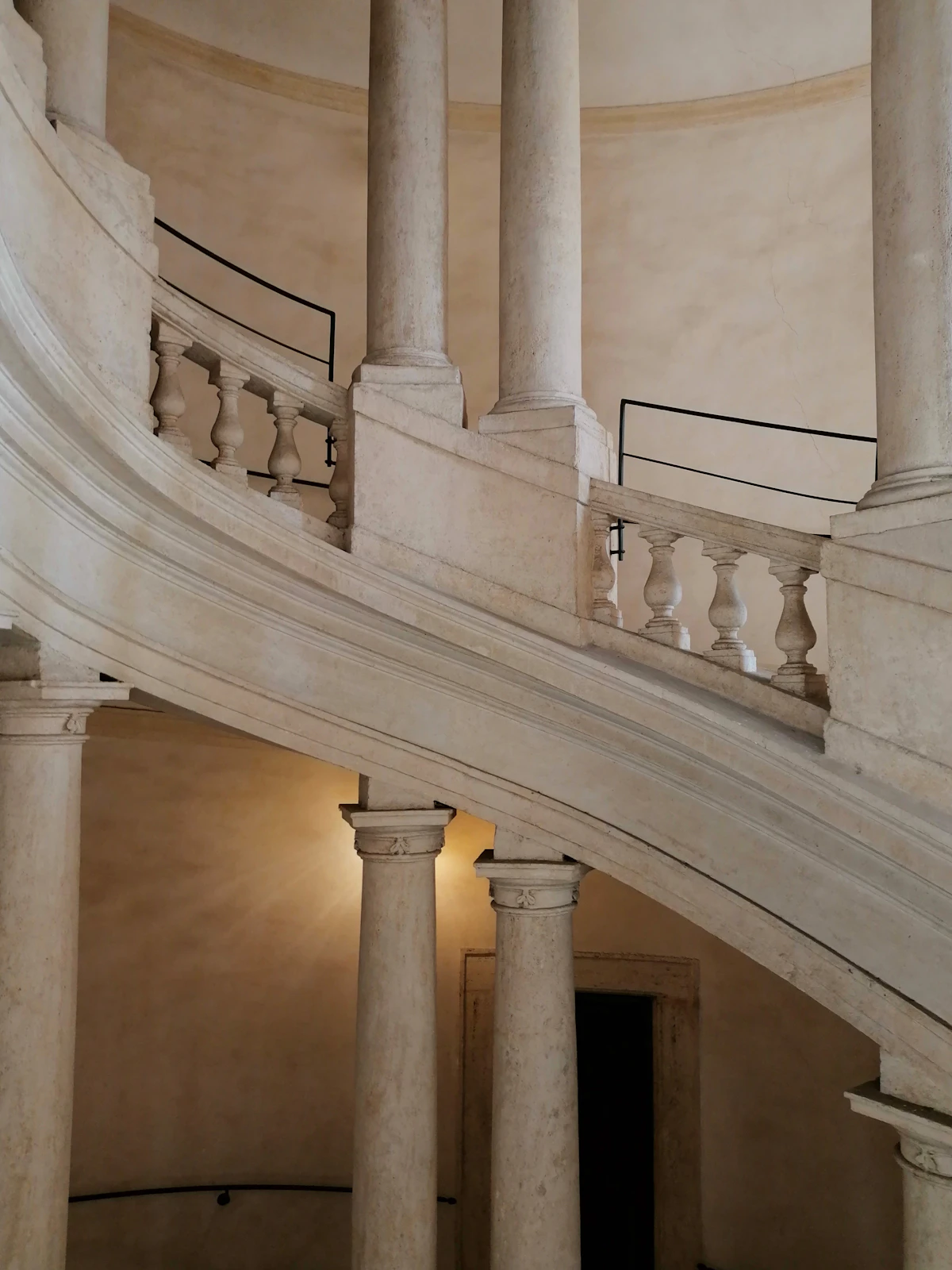
The collection includes major works by Raphael, Caravaggio, Holbein, and El Greco, but the building itself is also a highlight: Borromini's helical spiral staircase, Bernini's separate square-plan staircase, and Pietro da Cortona's monumental ceiling fresco "The Triumph of Divine Providence" in the palace's grand salon.
The palace sits a short walk from Piazza Barberini and the Trevi Fountain, making it easy to combine with a stroll through that part of central Rome.
History & Significance
Construction began in 1625 after Maffeo Barberini became Pope Urban VIII, consolidating an existing villa into a grand family palace. Carlo Maderno led the initial design, with Bernini and Borromini — then young rivals working under Maderno and later independently — each contributing a distinct staircase that reflects their differing architectural styles.
The Italian state acquired part of the palace in 1949 to house the Galleria Nazionale d'Arte Antica's collection, which had previously been displayed elsewhere; restoration and reorganization of the galleries continued over subsequent decades.
What to See: Top Highlights
Borromini's Spiral Staircase
A helical staircase (1634) considered one of Borromini's most inventive architectural works.
Pietro da Cortona's Ceiling Fresco
"The Triumph of Divine Providence," a monumental Baroque ceiling painting filling the palace's grand salon.
The Painting Collection
Works spanning the 13th to 18th centuries, including pieces by Raphael, Caravaggio, and Holbein.
Which is the Best City Pass for Rome?
We analyze prices, ticket options, and transport deals for Rome.
Location & Google Maps
Pass Compatibility
Compare Rome PassesIncluded as one of Roma Pass's and Omnia Card's free-choice admissions (via the bundled Roma Pass component) — confirmed directly on the pass's own official network page. Also directly included in Turbopass Rome City Pass, which names it explicitly among its bundled attractions.
Roma Pass
Conditional. Free if this visit counts within your pass's included free-admissions quota. A discount applies once your pass's free-admission quota has been used; the exact current amount should be confirmed when booking. Explicitly named ('Palazzo Barberini (National Gallery)') on the Roma Pass network's own official page. One of the pass's free-choice admissions — the 72h Roma Pass grants 2, the 48h grants 1, visitor's choice, any order. Not automatically free beyond your quota.
Omnia Card 72h
Conditional. Free if this visit counts within your pass's included free-admissions quota. A discount applies once your pass's free-admission quota has been used; the exact current amount should be confirmed when booking. Included via Omnia's bundled Roma Pass component, same free-choice-quota mechanic.
Turbopass Rome City Pass
Included. The pass provider pre-books your entry ticket at checkout. Explicitly listed on the official Turbopass Rome City Pass product page as 'Palazzo Barberini and Galleria Corsini'.
Data Provenance
Book tours & tickets
SponsoredProvided by our commercial partner GetYourGuide — bookings made through this section may earn LocalExperiences a commission. See our Editorial Transparency page.
Frequently Asked Questions
How much does it cost to visit Palazzo Barberini?
Do I need to book in advance?
Is Palazzo Barberini included in Roma Pass?
Is it included in Turbopass or Omnia Card?
What is the famous staircase?
How long should I plan for a visit?
Can the same ticket be used at Galleria Corsini on a different day?
Nearby & Related Attractions
Is a City Pass Worth It in Rome?
Compare pass options, prices, ticket entry rules, and transportation.
View Rome Pass Comparison